VVA was awarded the commission to design a new basilica in Solin after an invited competition.
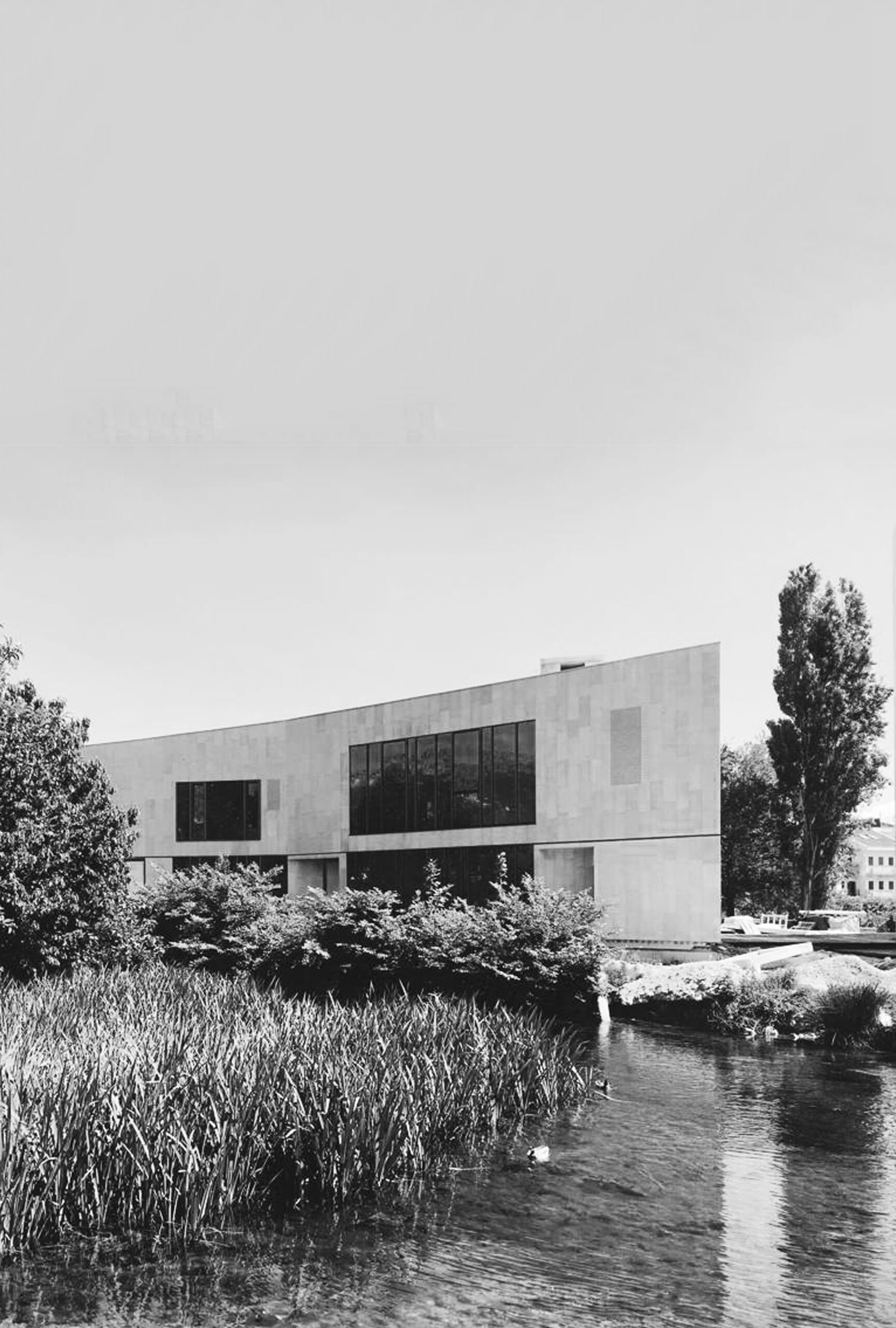
Solin is a historically significant place for the catholic faith in Croatia, being the only region in the country under the ecclesiastical province of the Holy See. Specifically, the site of this new church is where the first Croatian christians were baptised, in the third century. The site is also architecturally significant, as it is surrounded by water, which has resonance with the concept of baptism and rebirth.
The key to the success of the design was making the liturgy the focus and guiding path of their architectural proposition. To ensure this alignment between form and function, we incorporated into our team a University of Münster liturgy professor form the earliest design stages. His advice was invaluable in ensuring adherence to the principles emanating from the Vatican Concilium II and how these should be reflected in the architecture of a modern church.
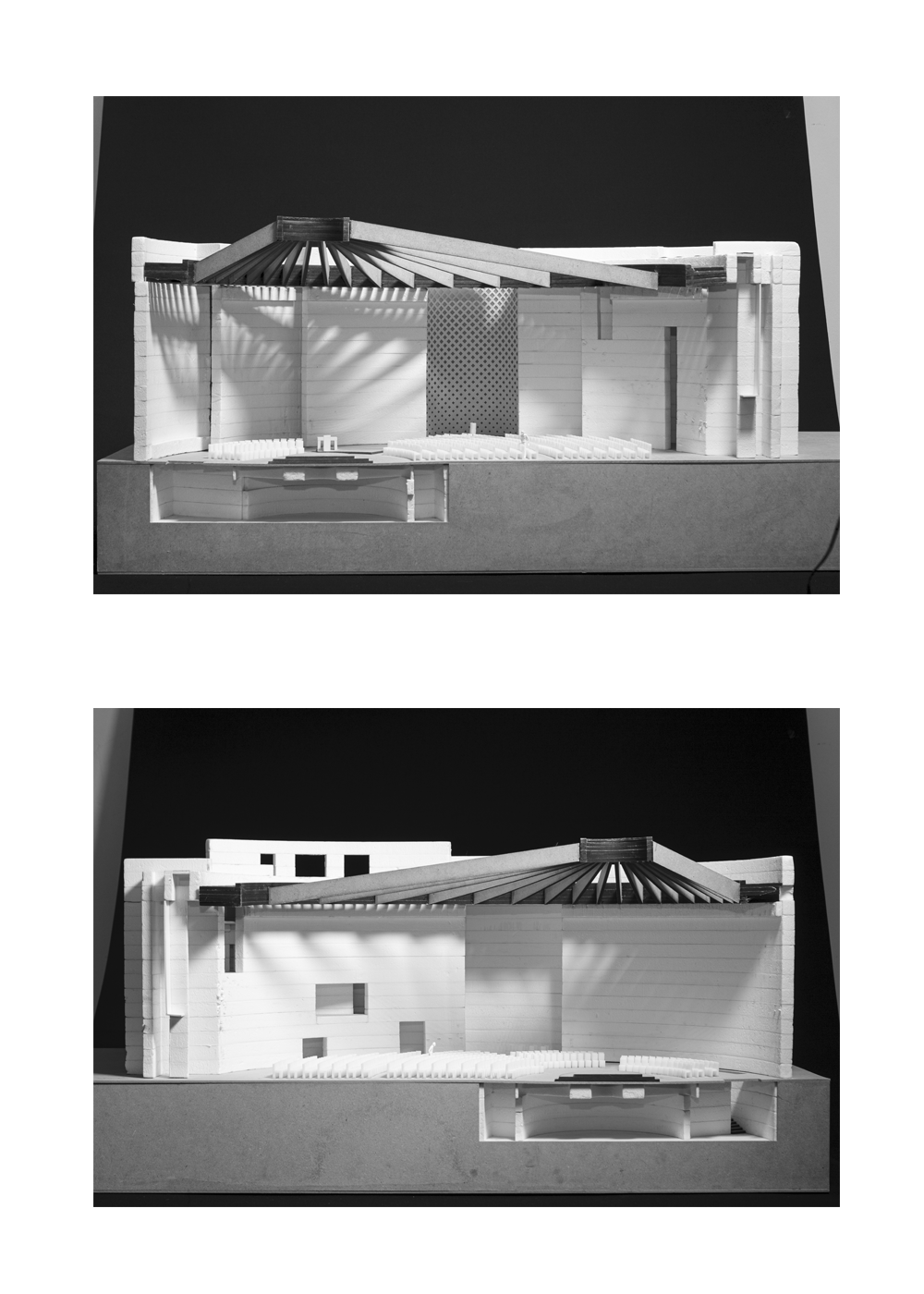
The design process started with the core of the liturgy – the altar as a symbol for the centre of the world – with everything else emanating from this physical element.
This centre was complemented by a second one: the placing of the ambon (pulpit) within the middle of the congregation (as opposed to near to the altar), which became the second seminal arrangement. The relationship between the two centres conformed an ellipsis that provided the “structural” configuration from where the full building design grew outwards.
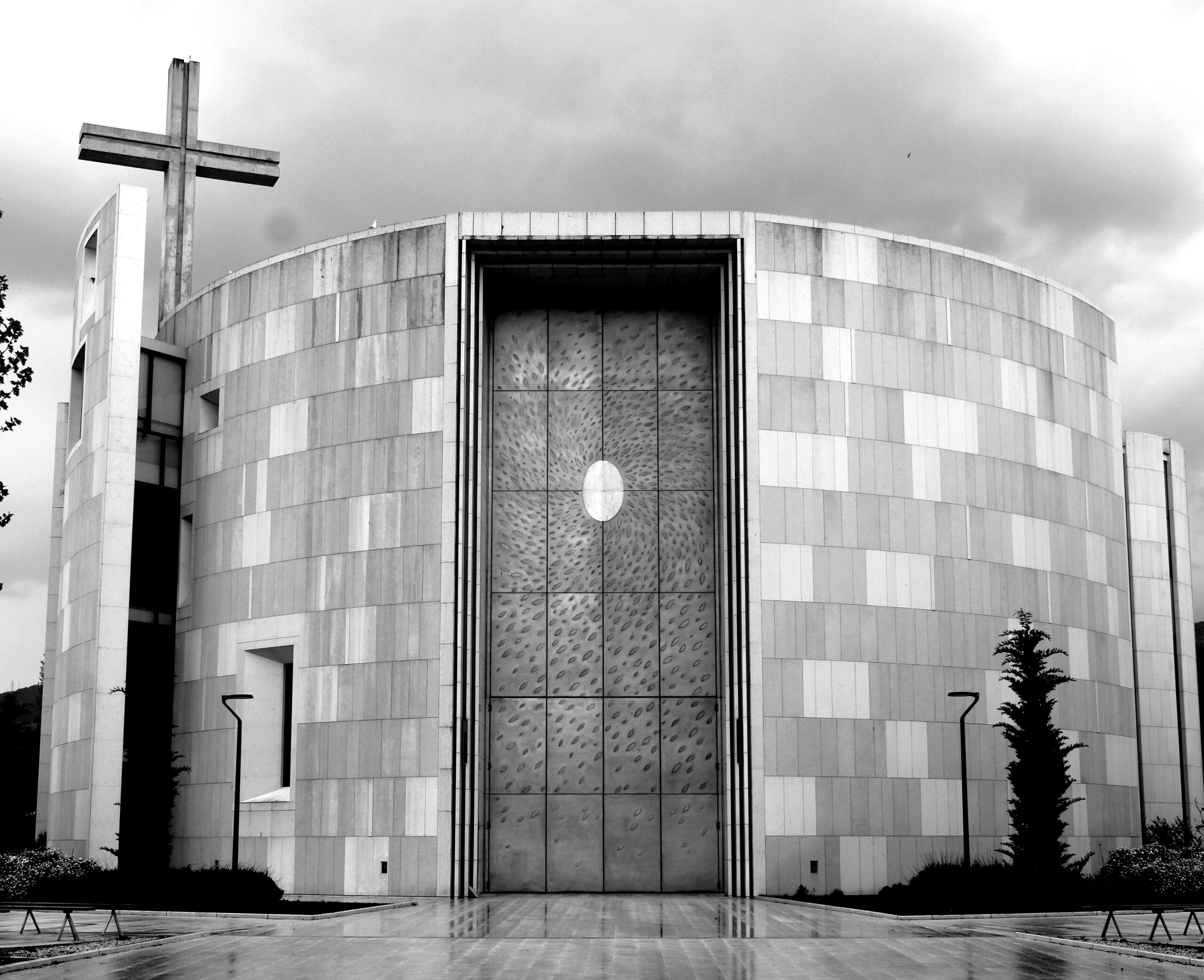
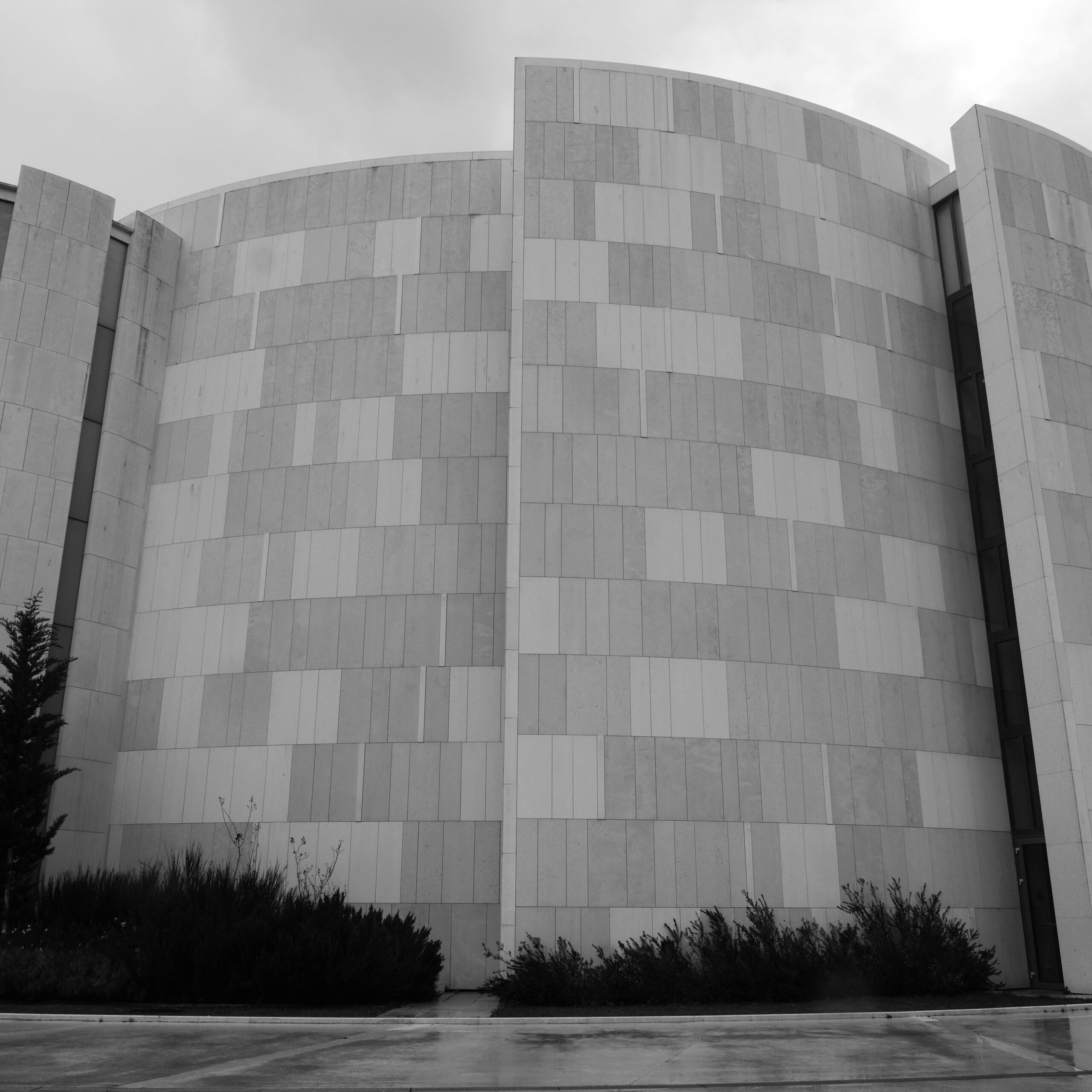
This shape also provided the building with its adequacy from an urbanistic perspective. Located near another existing church, it was important not to overpower it. By avoiding a major “box” structure, the ellipsis provides a continuous moving vantage point, avoiding hard edges that would effectively dominate the area.
The chosen morphology is also in the tradition of the Roman basilicas, which emphasise the horizontal axis, so as not to compete with the tower of the adjacent church, and echoes the relationship of the city with Rome.
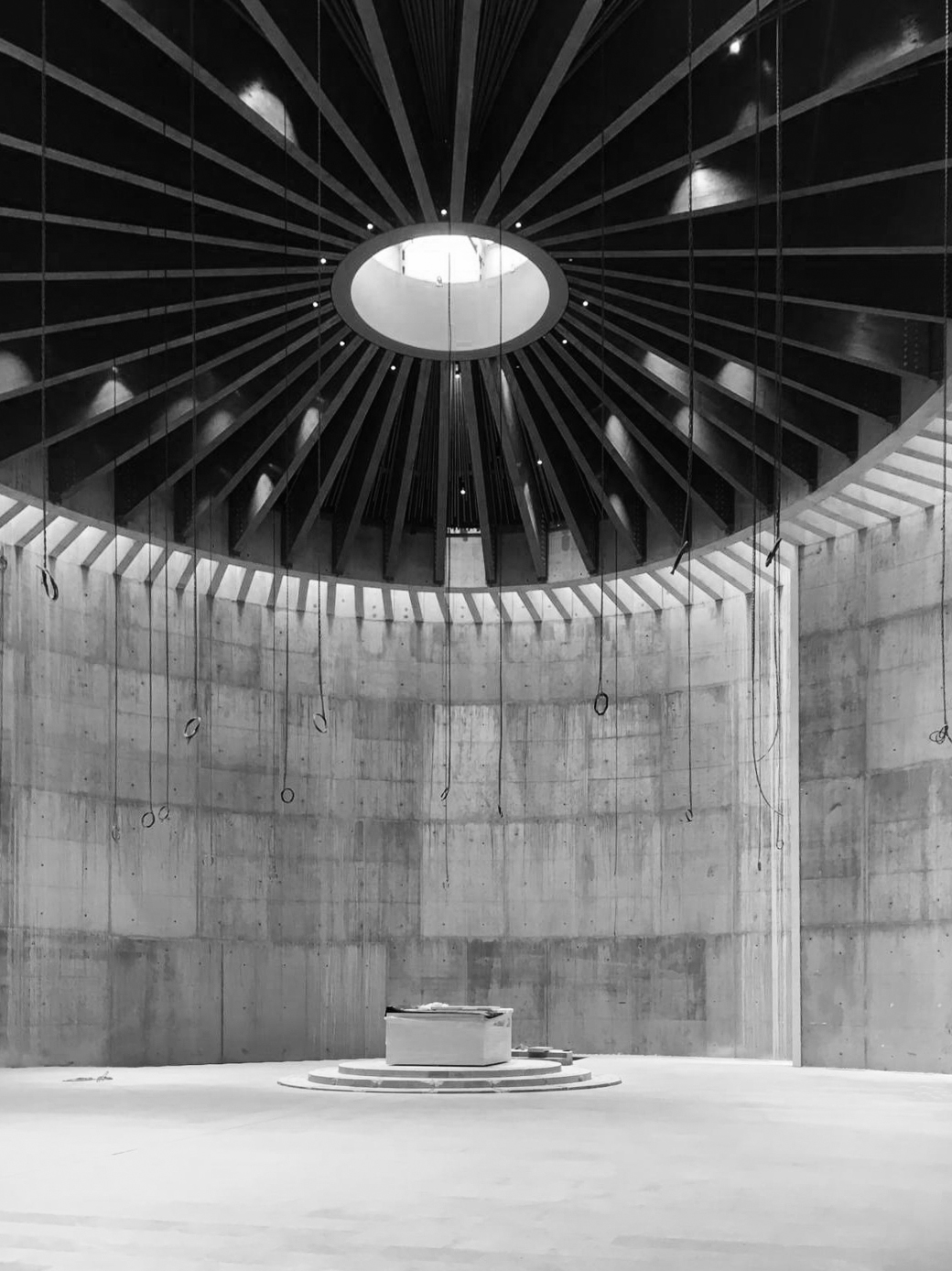
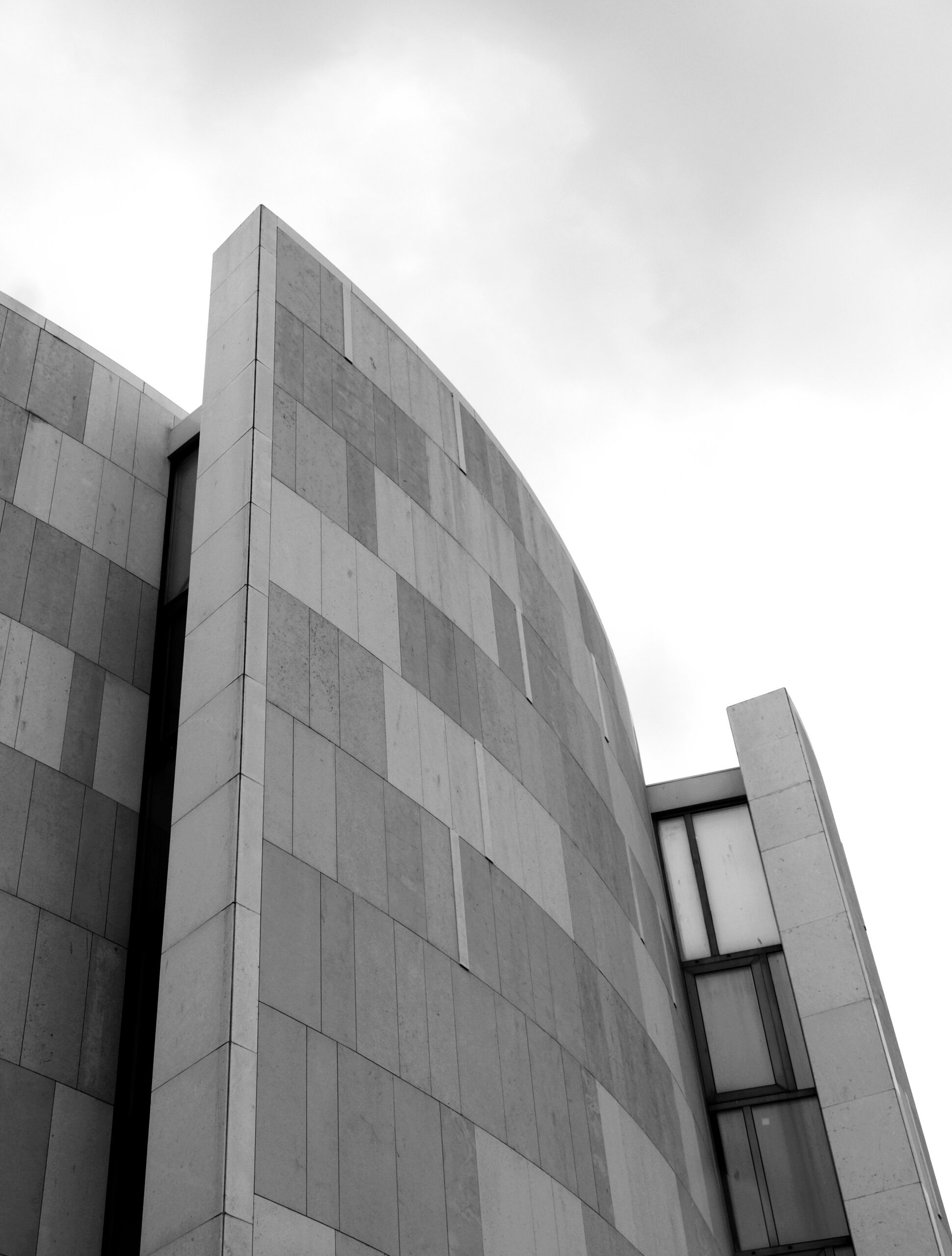
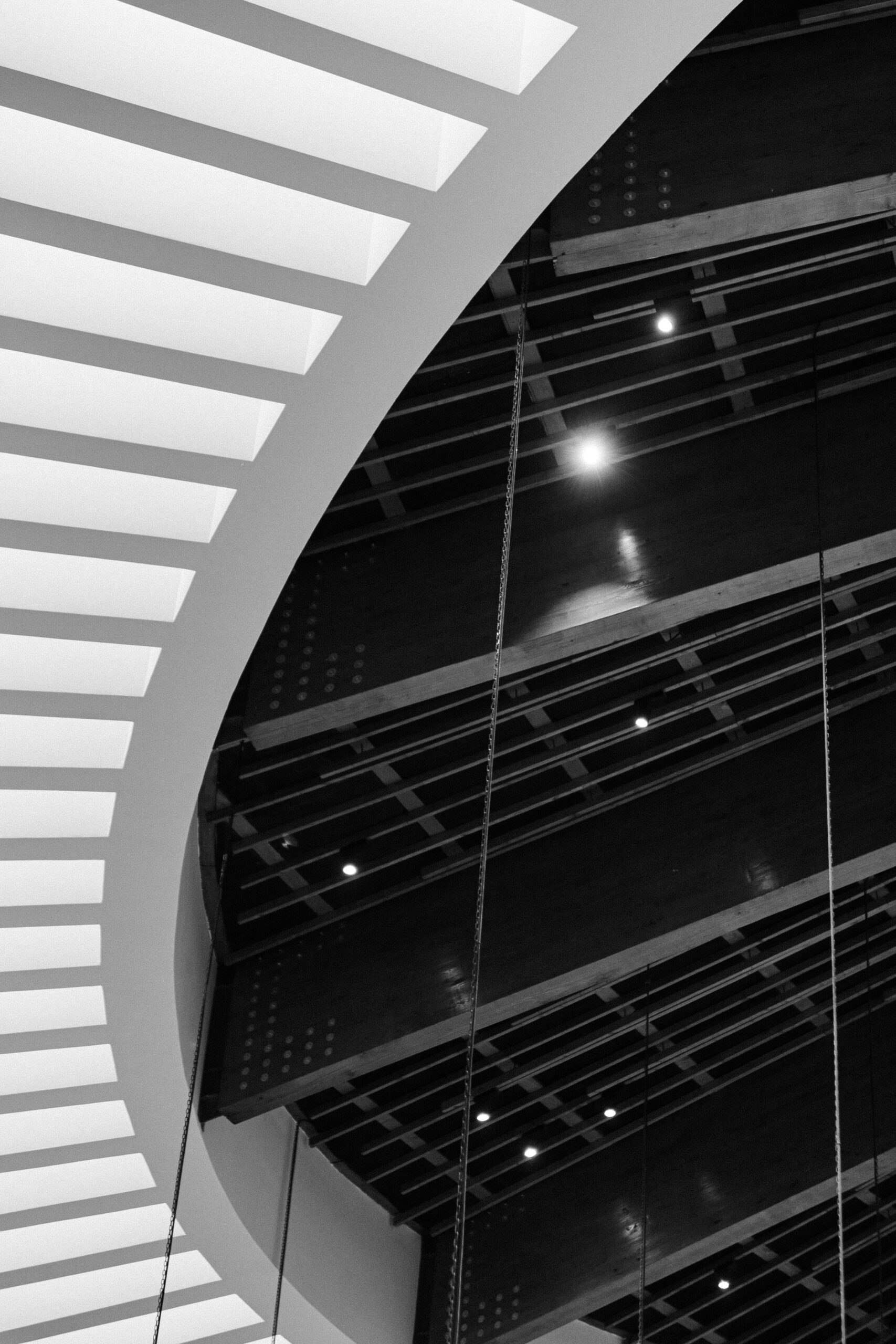
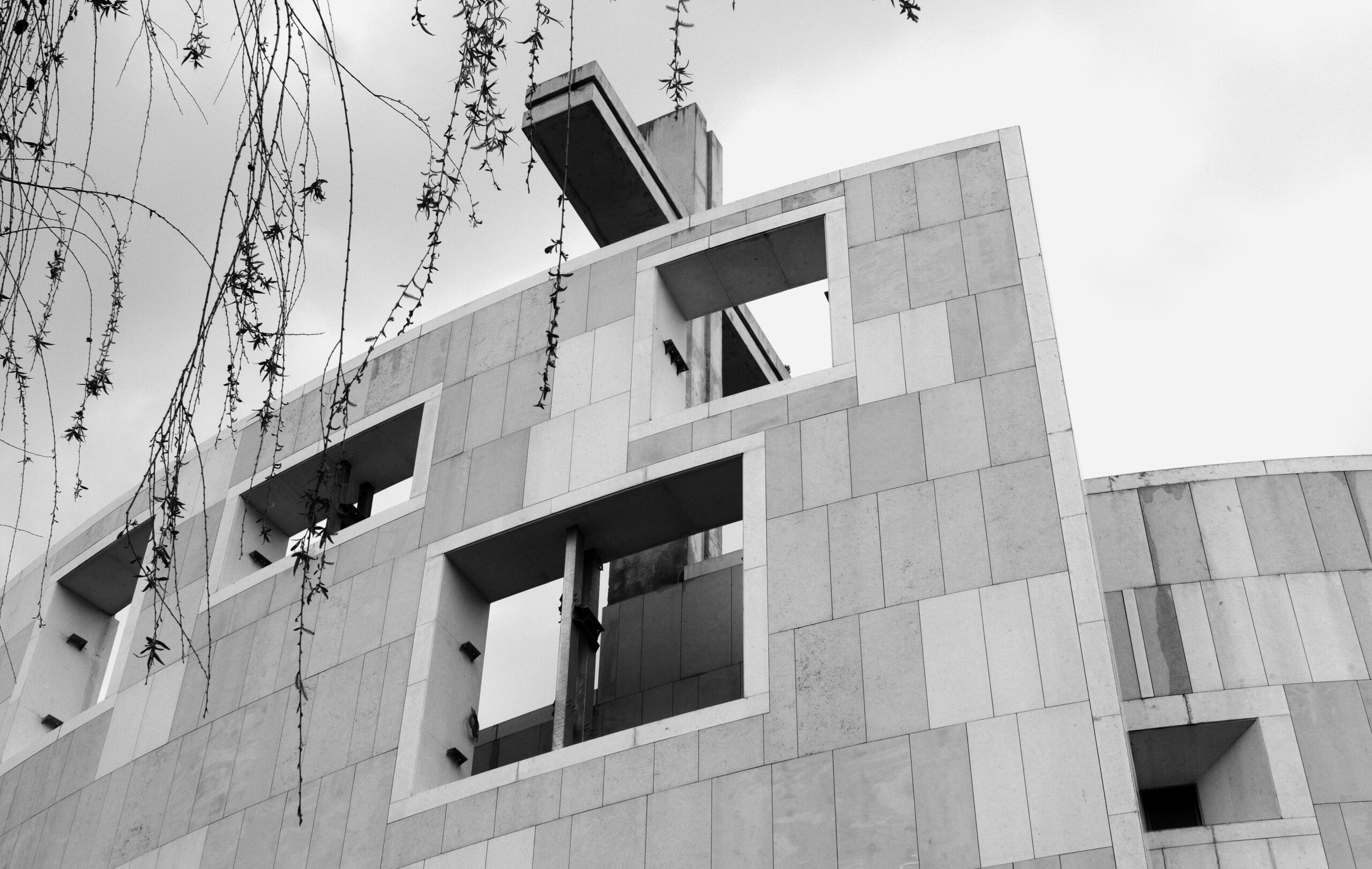
Its façade is constructed with three types of natural stone panels, following in the Dalmatian tradition of stone masonry. In the interior, the building follows a geometry that combines a small floor area with high ceilings, in a contemporary interpretation of a byzantine church. The sparsity of internal decoration, combined with the use of natural light through skylights, provides the visitor with an experience of monumental serenity and reflection. A note must be made here in referenced to the artworks placed in the interiors, which were not commissioned nor validated by the architect.
In an era where modern buildings tend to have a built-in obsolescence of perhaps 50 years, it is rather remarkable that the aspiration for the building is that bishops of the archdiocese are to be buried in its crypt for the next 800 years.